Avoiding Peeling After a Bathtub or Tile Reglazing Service
There’s something incredibly satisfying about stepping into a freshly reglazed bathtub. The shiny surface and smooth finish can transform your entire bathroom, giving it a like new appearance without the cost of a complete replacement. However, discovering peeling or chipping after spending time and money on bathtub reglazing services can be frustrating.
Understanding the causes behind peeling and how to address them is key to extending the lifespan of your newly reglazed tub. As trusted Westchester reglazing contractors, we’ve seen how easily issues like peeling can arise and, more importantly, how to avoid them. In this blog, we’ll explore the most common reasons for peeling and how to ensure your reglazed tub looks beautiful in the long term.
What Is Bathtub Reglazing?
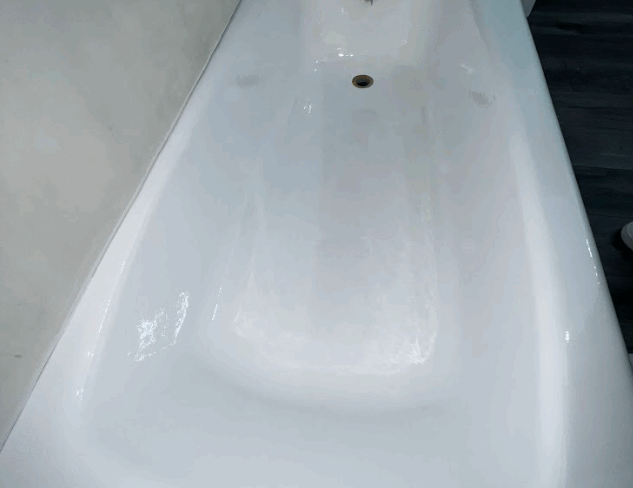
Reglazing, also known as refinishing, is the process of applying a new layer of durable coating over the existing surface of your bathtub. It restores a surface’s appearance, eliminates chips or scratches, and gives it a smooth, glossy finish. Bathtub reglazing in Westchester, NY, is popular for homeowners looking to save money on replacements while updating their bathrooms.
Reglazing suits various bathtubs, including porcelain, fiberglass, and even clawfoot tubs. Whether restoring a vintage tub or updating a modern one, bathtub reglazing can breathe new life into your space.
Improper Surface Preparation
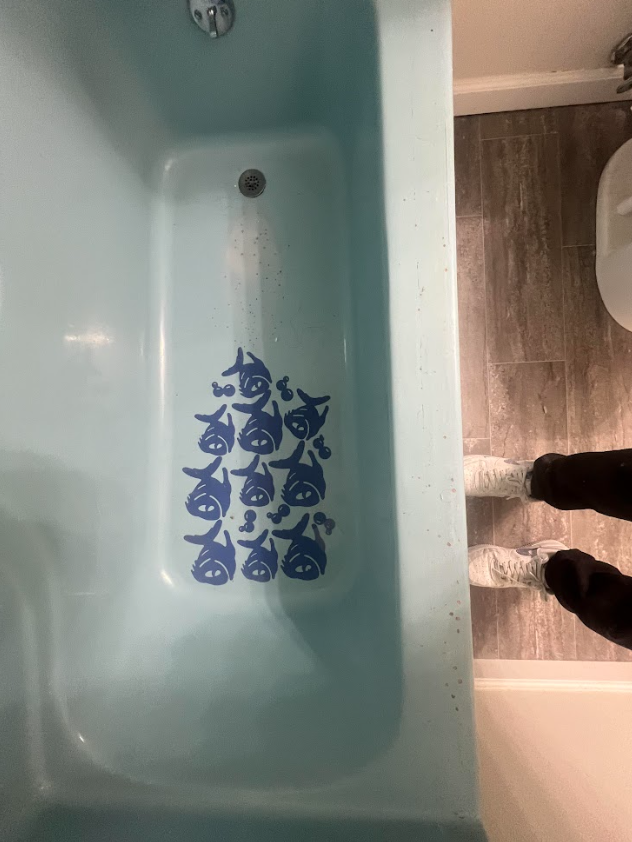
Poor surface preparation is one of the most common reasons for peeling following reglazing. Before applying the new layer of finish, the existing surface must be thoroughly cleaned and prepped to ensure proper adhesion. This involves removing any old finishes, cleaning grime and soap scum, and sanding the surface. If any steps are skipped or done improperly, the new glaze will have trouble bonding, leading to peeling down the road.
This is why hiring experienced Brooklyn reglazing contractors or Westchester reglazing contractors who understand the importance of proper prep work is crucial. When done right, the reglazing will last longer and provide a more durable finish. On the other hand, cutting corners during prep can lead to costly and frustrating results, including instances of early peeling and chipping.
Insufficient Drying and Curing Time
Reglazing involves applying a new finish that needs time to thoroughly set and bond with the surface. If the tub is used before it’s completely cured, the surface can weaken and peel over time. This is especially important for clawfoot tub reglazing or any tub with a more intricate refinishing job.
After the reglazing is complete, it is essential to follow the recommended curing time, which can range from 24 to 48 hours. During this period, the surface must be kept dry and undisturbed to ensure the finish bonds properly. Many homeowners mistakenly think that once the tub is dry to the touch, it’s ready to use. However, using the tub too soon can result in peeling, causing frustration and unnecessary repair costs.
Excessive Moisture Exposure
While bathtub reglazing creates a smooth, shiny, water resistant surface, excessive moisture exposure can cause the finish to deteriorate. Allowing water to sit for long periods or seep beneath the finish can weaken the coating, leading to bubbling, peeling, and chipping. This is particularly common in bathrooms that lack proper ventilation.
Proper sealing is essential to avoid moisture buildup. If your tub has been reglazed, check the seals around the tub. Even small leaks can lead to big problems down the line. If your tub is constantly exposed to moisture and hasn’t been sealed properly, the reglazing won’t stand up to the test of time. This is why it’s essential to work with bathtub reglazing professionals who use high grade materials and prep the surface properly prior to reglazing.
Using Harsh Cleaning Products
Another common cause of peeling in reglazed tubs is using harsh cleaning chemicals or abrasive tools. After bathtub reglazing, it’s essential to treat your tub with care. Harsh chemicals, like bleach or ammonia, and abrasive scrubbers can weaken the finish, causing it to peel or wear away prematurely. The wrong cleaning products can strip the protective layer, leaving your reglazed tub vulnerable.
Stick to gentle, nonabrasive cleaners designed for use on reglazed surfaces. It’s also best to use soft cloths or sponges for cleaning. These steps will help preserve the finish and keep your tub in excellent condition for years.
How to Prevent Peeling After Reglazing
To prevent peeling after your tub is reglazed, taking the proper precautions from the start is essential. First, ensure your reglazing job is performed by skilled professionals who understand the importance of proper surface preparation and curing time. Hiring the right NYC reglazing company ensures the job will be done correctly and that your tub will last for years without issues like peeling.
Once your tub is reglazed, let it cure completely before use. Resist using your tub immediately, even if it feels dry. Give it the recommended time to set and bond properly. Additionally, keep moisture exposure in check by ensuring your bathroom is well ventilated and avoiding prolonged contact with standing water.
Learn More or Schedule Your Connecticut Tile Reglazing Service with Shiny Tub Reglazing
Whether it’s a shower, tile, or clawfoot bathtub refinishing, we’re ready to answer your questions and help restore your space. Reach out today to get started with your New York or Connecticut bathtub reglazing project.